Custom Landscaping Ideas for Creating a Yard That Fits Your Lifestyle
A yard works best when it reflects the way you actually live, not the way a catalog photo says you should live. That sounds obvious, but plenty of outdoor spaces are built around trends rather than habits. A broad lawn looks tidy in a real estate listing, yet it can become a chore if nobody in the household enjoys regular mowing. A large entertaining patio ridgelineoutdoorliving.com santa ana landscaping services sounds ideal until it sits empty nine months of the year while the family gravitates toward a shaded side yard with a small table and two chairs.
The best custom landscaping starts with use, not appearance. Good looks matter, of course. So do property value, curb appeal, and maintenance. But the yard that feels right is the one that solves daily problems and supports routines. It should make mornings easier, weekends more enjoyable, and upkeep more manageable. That principle applies whether you want a polished front yard landscaping plan, a practical backyard landscaping refresh, or a full property redesign.
In places like Southern California, that approach matters even more. A California landscaping guide has to account for heat, water costs, sun exposure, and the fact that outdoor spaces often function as real living areas for much of the year. In Santa Ana, for example, many homeowners ask for affordable landscaping Santa Ana options that reduce water use without creating a barren look. They want comfort, not sacrifice. That is where thoughtful landscape design earns its keep.
Start with how the yard needs to work
Before choosing plants, pavers, or mulch, it helps to map out behavior. I have seen homeowners spend heavily on decorative installations only to realize later that they forgot practical issues such as trash can storage, drainage, or a path from the driveway to the back gate. Beautiful projects can still feel awkward if movement through the space has not been considered.
A more useful first question is this: what happens in the yard on a normal Tuesday? Not a holiday weekend, not a party, just a normal day. Do children need a visible play area near the kitchen? Does a dog wear a muddy path along the fence line? Do grandparents need fewer steps and smoother surfaces? Is someone trying to grow herbs and vegetables, or is the goal a low-effort retreat after work?
When you think through those details, design decisions become clearer. A family that entertains often may need a patio near the grill with task lighting, durable seating surfaces, and enough circulation space so guests are not cutting through planting beds. A household with young children may need open lawn, but not a huge lawn. Sometimes a modest patch of turf paired with decomposed granite, built-in seating, and shade trees serves the family better than a wide grass rectangle that demands constant lawn care.
For homeowners who work from home, the yard can even support quiet routines. A shaded bench near fragrant planting, a screened corner with a fountain, or a small pergola can create an outdoor work or reading area without turning the yard into a resort set. The point is fit. Best landscape design is rarely the one with the most features. It is the one where each feature earns its place.
The front yard sets the tone, but it should also solve problems
Front yard landscaping often gets treated as a cosmetic exercise. In reality, it carries a heavy workload. It shapes the first impression, guides people to the door, frames the architecture, and affects how much maintenance you deal with every week. It can also improve privacy, soften street noise, and reduce heat around the home.
A successful front yard usually balances three things: clean structure, climate-appropriate planting, and easy access. Structure comes from hardscape and plant placement. A defined walkway, a low retaining edge, or repeated shrubs can make the property feel intentional even before the plants mature. Climate-appropriate planting keeps the yard from looking tired or thirsty by late summer. In Santa Ana, that often means mixing hardy grasses, evergreen shrubs, flowering perennials, and shade trees that can handle local conditions.
Homeowners who want affordable landscaping Santa Ana solutions often do well by simplifying the palette. Fewer plant varieties, used more confidently, usually look better and cost less to maintain. Five masses of the same shrub read as deliberate. Twenty one-off plants read as clutter unless they are managed by a skilled hand. Mulch ties everything together visually and helps with moisture retention, which is one of the simplest ways to improve both appearance and function.
Privacy deserves attention too. Not every front yard needs a tall wall or dense hedge. Sometimes a layered planting plan creates enough screening while keeping the property welcoming. A combination of ornamental grasses, medium-height shrubs, and one or two specimen trees can block sight lines without making the front of the home feel closed off.
Backyard landscaping should match your real pace of life
Backyard landscaping is where lifestyle differences become most obvious. The needs of a family with teenagers are very different from those of a retired couple, and both are different from a homeowner who travels often and wants a lock-and-leave property.
If you love to host, prioritize gathering zones over decorative extras. Patio size matters more than people think. A table for six needs room not only for the chairs, but for people to pull them out and move behind them comfortably. A grill station should not trap the cook in a corner. Lighting should be layered, with ambient light for mood and brighter task lighting where food prep happens.
If your backyard is mainly for decompression, the design should slow things down. That might mean soft planting edges, less visual clutter, and fewer materials competing for attention. A narrow water feature can mask street noise better than homeowners expect. Shade becomes essential in hot months, whether from mature trees, a pergola, or a well-positioned umbrella. In Southern California, afternoon sun can make a space unusable if that issue is ignored.
Families with children usually need flexibility. An oversized permanent play structure can dominate a yard long after the kids lose interest. More adaptable solutions tend to age better. Open space, durable surfaces, and edges that can shift from sandbox to raised bed to lounge area give the yard a longer useful life.
For pet owners, design choices should anticipate wear. Dogs create routes. They pace at gates, patrol fence lines, and prefer clear sight lines. Rather than fight that behavior, plan for it. A stable path material, sturdy groundcover, and a hose bib in the right location can save endless frustration. Too many yards fail because the design assumes perfect behavior from the people and animals using them.
Low maintenance does not mean lifeless
Many people ask for low-maintenance landscaping and then worry the result will feel sparse or plain. It does not have to. The mistake is usually defining low maintenance too narrowly. The goal is not to remove life from the yard. The goal is to reduce fussy upkeep and repeated corrections.
A low-maintenance landscape leans on durable plants, proper spacing, healthy soil, efficient irrigation, and materials that age well. It avoids features that need constant adjustment. Tiny annual beds, underpowered irrigation, awkward lawn strips, and overplanted corners create work. Strong bones reduce it.
This is especially important in regions where water pricing and seasonal stress affect plant performance. Eco friendly landscaping is not just a marketing phrase when done properly. It can mean using less turf, improving infiltration, selecting drought-tolerant species, and applying mulch to moderate soil temperature and suppress weeds. Those choices support both appearance and budget.
The phrase lawn care also deserves honesty. Turf can be beautiful and practical, but it is not automatically the best choice for every yard. A small lawn used for play may be worth the effort. A decorative lawn that nobody uses may not be. If you keep grass, pair it with a realistic grass mowing guide and seasonal care plan. Most lawns decline not because grass is a bad material, but because people underestimate the rhythm of watering, mowing services, feeding, edging, and repair.
Where money makes the biggest difference
Not all landscaping investments deliver equal value. In my experience, the smartest spending often goes into the parts people do not notice at first glance. Drainage correction, grading, irrigation upgrades, and soil preparation rarely earn dramatic before-and-after photos, but they protect every visible element that comes later.
A property can have handsome pavers and expensive specimen plants and still fail if runoff pools against the house or spray heads water the sidewalk more effectively than the roots. Irrigation service for homeowners is one of those categories that pays off quietly. Proper zones, matched precipitation, and regular inspections often mean fewer dead plants, lower water waste, and more predictable maintenance costs.
When budget is limited, I usually suggest homeowners prioritize in this order:
- Fix drainage, irrigation, and any safety issues first.
- Create the main circulation and seating areas.
- Install canopy or shade elements that improve comfort.
- Plant the structural trees and shrubs.
- Add decorative details once the framework is solid.
That sequence protects the budget from common regrets. It is far cheaper to leave out a decorative border now than to tear out a patio later because water was never managed correctly.
For those looking at landscaping services in Santa Ana, this is also where contractor selection matters. A team that asks careful questions about water use, grading, access, and maintenance routines is usually thinking beyond surface cosmetics. That mindset often leads to better results than a fast proposal built around a sketch and a plant list.
Hardscape should support movement, comfort, and climate
Hardscape is not just the part of the yard that is not green. It shapes how the whole property feels underfoot and in use. Paths, patios, walls, edging, and steps define circulation and create the framework that planting softens.
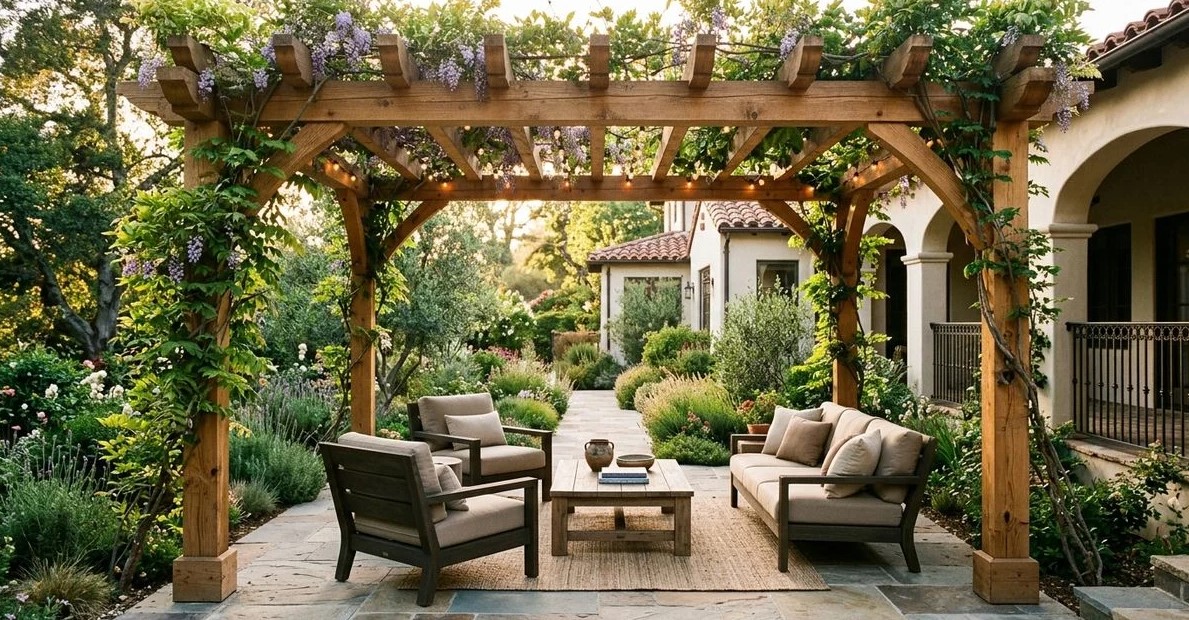
Material choice should reflect climate and use. In a hot inland setting, some dark surfaces absorb too landscaping resources much heat and become uncomfortable by afternoon. Smooth stone may look elegant but can become slippery near a pool or in irrigated areas. Gravel is affordable and useful in many situations, but it is not ideal everywhere, especially where strollers, wheelchairs, or unstable footings are concerns.
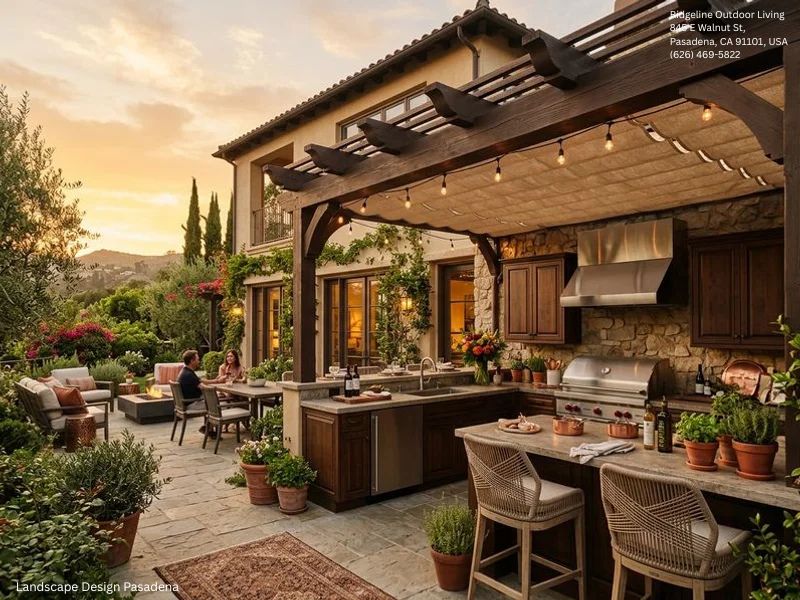
Scale matters too. A narrow path through the side yard may technically connect two points, but if it feels cramped while carrying groceries or garden tools, it will annoy you every week. A seating wall that is two inches too low or too high may get ignored no matter how attractive it looks. That is why custom landscaping is more than decoration. It is applied judgment.
Retaining walls deserve a mention because they can transform difficult slopes into usable space. On some properties, one well-designed wall can create a level entertaining area, reduce erosion, and make maintenance safer. But walls add cost quickly, so they should be placed hardscaping santa ana strategically. If a slope is stable and visually attractive, ridgelineoutdoorliving.com landscaping service in santa ana sometimes planting it well is the better move. If it constantly sheds mulch and requires awkward trimming, a wall may save money over time.
Planting design is where personality comes through
Once the framework is right, planting gives the yard its voice. Some homeowners prefer a restrained, architectural look with clean lines and repeated forms. Others want softness, movement, and seasonal color. Both approaches can work beautifully if they match the home and the owner’s tolerance for upkeep.
Texture does a lot of the work. Fine-textured grasses can make a patio edge feel lighter. Broad-leaved shrubs can ground a corner of the house. Flowering perennials add energy, but they should be used with intent. A few strong drifts often outperform scattered dots of color. This is one of the most common differences between amateur planting and best landscape design. Confidence shows in repetition.
Trees deserve special care because they influence the yard for decades. Shade, privacy, structure, and scale often come from tree placement more than any other single element. A basic tree service guide for homeowners starts with this truth: the right tree in the right place prevents expensive pruning conflicts later. Trees planted too close to foundations, roofs, or narrow side yards eventually create stress, not beauty.
Species selection should consider mature size, root behavior, litter, water needs, and how the canopy interacts with wind and sun. A patio without shade can be harsh. A patio under a tree that drops constant debris into food and drinks can be frustrating. The sweet spot is different for every property.
Commercial ideas that work surprisingly well at home
Some concepts from commercial landscaping translate well to residential properties, especially for homeowners who want stronger organization and lower maintenance. Commercial landscaping often relies on clear zoning, durable materials, mass planting, and simple circulation because those spaces need to function consistently with limited day-to-day fuss.
Residential landscapes can benefit from the same discipline. Repeating a small number of plants creates a calm look and simplifies care. Separating utility zones from leisure zones keeps the yard feeling cleaner. Using sturdy edging and defined access routes reduces damage from foot traffic and equipment. These are not flashy tricks, but they make a yard feel settled.
I have also seen homeowners borrow one of the better habits from well-managed commercial sites: scheduled maintenance with a clear scope. Whether you handle your own lawn care or hire mowing services, consistency matters more than heroics. A yard maintained lightly but regularly usually outperforms a yard that gets neglected for six weeks and then aggressively cut back in one long Saturday.
A practical approach to water, mulch, and mowing
Many landscape problems come down to routine care rather than design flaws. The design can only do so much if watering is uneven, mulch is piled incorrectly, or mowing is inconsistent.
Here are a few habits that reliably improve performance:
- Water deeply enough to encourage roots, but avoid frequent shallow watering.
- Keep mulch a few inches away from trunks and stems to prevent rot.
- Mow turf at an appropriate height for the grass type, not as short as possible.
- Check irrigation zones seasonally, especially after repairs or plant growth.
- Prune for plant health and structure, not just to force everything into a box.
That short list covers a surprising amount of ground. A thoughtful mulch layer moderates soil temperature, reduces evaporation, and gives planting beds a finished look. Mowing too low, by contrast, weakens turf and invites weeds. A sensible grass mowing guide always depends on the variety of turf, weather, and use, but the general principle is simple: stressed grass should not be scalped.
If you hire maintenance help, make sure expectations are clear. There is a big difference between basic mowing services and a team that understands irrigation checks, seasonal adjustments, and proper pruning. The cheapest recurring service can become expensive if it shortens plant life or masks larger problems.
Designing for different lifestyles
The phrase custom landscaping sounds broad, but it becomes practical when tied to specific lifestyles. Consider a few common patterns.
A busy family with school-age kids often benefits from durable surfaces, visible play areas, forgiving plant choices, and storage integrated into the layout. They need fast cleanup and room to move.
A couple who entertains often may need larger paved areas, layered lighting, outdoor cooking support, and planting that frames gatherings without swallowing space.
An older homeowner planning to age in place usually benefits from smoother grades, wider paths, lower-maintenance planting, and shade near key sitting areas. Access and comfort become design priorities, not afterthoughts.
A rental property owner or part-time resident may value eco friendly landscaping that looks neat with limited intervention. That can mean reduced turf, resilient shrubs, smart irrigation, and materials that do not shift or stain easily.
None of these are abstract categories. They are real use patterns, and the landscape should answer them. That is why one property may need a generous lawn and another should replace most of its turf. One home may need privacy screening along the sidewalk, while another wants openness and a clear line of sight to highlight the architecture.
Regional judgment matters more than trends
Landscaping trends come and go, but regional judgment lasts. A style pulled from another climate can struggle if it ignores local realities. That is one reason a California landscaping guide should never be copied blindly from East Coast or Pacific Northwest examples. Plant palettes, water expectations, sun intensity, and even outdoor furniture choices need to reflect local conditions.
In Santa Ana, warm weather encourages outdoor living, but heat and dry spells put pressure on plants and irrigation systems. That pushes many homeowners toward custom landscaping strategies that conserve water while still feeling lush enough to enjoy. The answer is rarely a stripped-down yard with nothing but gravel. More often, it is a layered design that uses water where it matters most, reduces waste, and puts each plant in a spot where it can thrive.
The same principle applies to maintenance planning. Landscaping services in Santa Ana should understand not just what looks good at installation, but what survives and performs over time. That includes knowing when lawns are worth keeping, when mulch should be refreshed, how to adjust irrigation seasonally, and when tree care requires a specialist rather than routine trimming.
A yard that fits your lifestyle does not ask you to become a different person. It supports the life you already have, while nudging it in a better direction. It can make outdoor meals easier, maintenance simpler, water use smarter, and the property more enjoyable every day. That is the real promise of custom landscaping. Not just a prettier landscape, but a more usable one.